
Healthy recipes on this site are ordinary Indian home food cooked with a little more thought: a protein at every meal, a bigger share of sabzi and dal, whole grains where they fit, oil that you measure instead of pour, and portions that leave you comfortable rather than stuffed. Nothing here needs imported ingredients or a special diet plan.
Every recipe gives exact quantities, the cue to look for at each step, and what to do when something goes wrong. Start with the quick paneer bhurji wrap below, then use the plate guide, pantry list and swaps table to make the rest of your week easier.
Recipe card
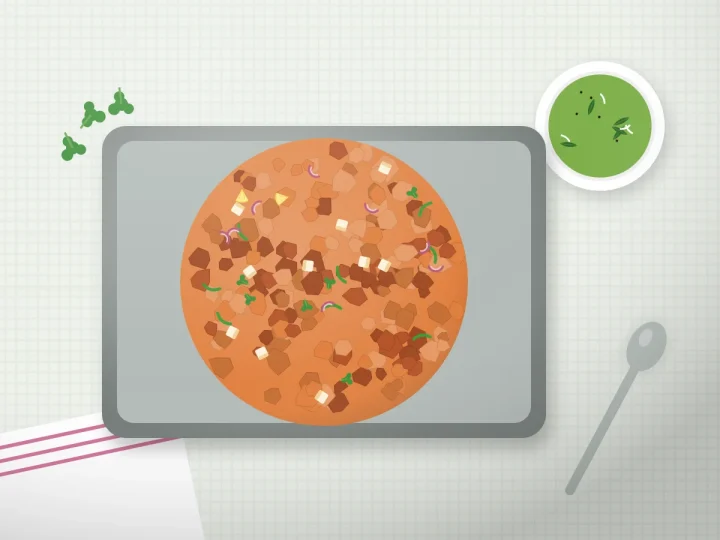
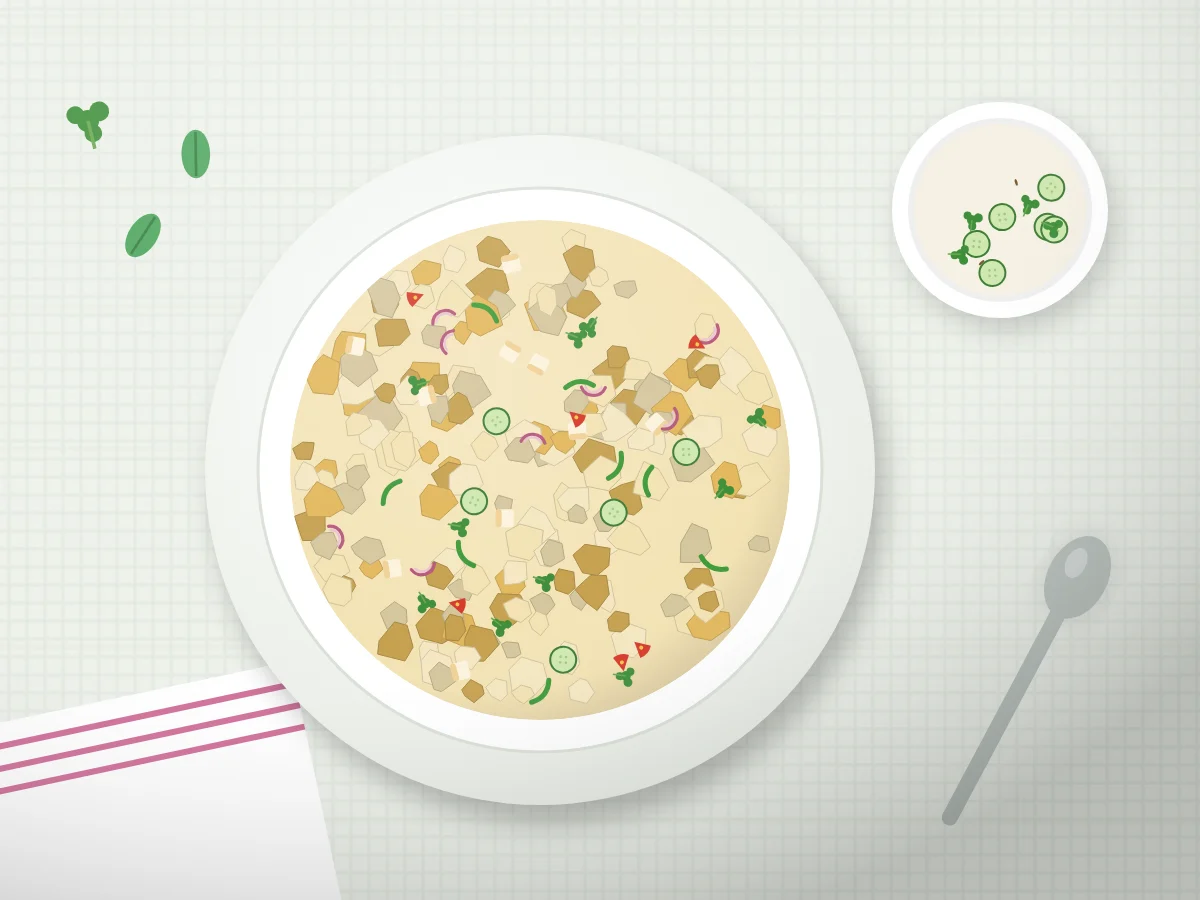
Paneer Bhurji Wrap with Mint Curd
Crumbled paneer cooked with onion, tomato and capsicum, rolled in whole wheat rotis with a quick mint curd spread.
- Prep
- 10 min
- Cook
- 15 min
- Total
- 25 min
- Serves
- 2
Ingredients
Makes 4 wraps
Rotis
- 1 cup whole wheat flour (atta)
- ⅓ cup waterlukewarm, add slowly
- salta pinch
Bhurji
- 200 g paneercrumbled by hand
- 2 tsp oil
- ½ tsp jeera (cumin seeds)
- 1 medium onionfinely chopped
- 1 green chillifinely chopped
- 1 inch gingergrated
- 1 medium tomatofinely chopped
- ½ green capsicumfinely chopped
- ¼ tsp haldi (turmeric powder)
- ½ tsp Kashmiri red chilli powder
- ¼ tsp garam masala
- saltto taste
- 2 tbsp dhania (coriander leaves)chopped
Mint curd and filling
- ½ cup thick curd (dahi)drained 10 minutes in a strainer
- 1 tbsp pudina (mint leaves)finely chopped
- black salt (kala namak)a pinch
- ½ cucumbercut into thin sticks
- 1 tsp lemon juice
You will need
- Tawa
- Kadai or non-stick pan
- Rolling pin
Method
Knead the dough
Mix atta and a pinch of salt, then add the water a little at a time and knead to a soft dough that does not stick to your fingers. Cover and leave it while you cook the bhurji; the rest makes it easier to roll.
Make the mint curd
Put the curd in a tea strainer over a cup for 10 minutes so the whey drips off. Stir in the mint and kala namak. Thick curd spreads without making the roti soggy.
Start the masala
Heat the oil in a kadai on medium. Add jeera and let it crackle for a few seconds, then add onion, green chilli and ginger. Cook until the onion is soft and pale golden, about 4 minutes.
Add tomato and capsicum
Add the tomato, capsicum, haldi, chilli powder and salt. Cook until the tomato collapses and the oil starts to show at the edges, about 4 minutes. Capsicum should still have a slight bite.
Fold in the paneer
Add the crumbled paneer and garam masala and toss for 2 minutes only, just until hot. If it looks dry, sprinkle 2 tbsp water. Long cooking makes paneer rubbery, so stop as soon as it is heated through.
Finish the bhurji
Switch off the heat, squeeze in the lemon juice and stir in the dhania. Taste for salt.
Cook the rotis
Divide the dough into 4 balls and roll each to about 7 inches. Cook on a hot tawa until small bubbles appear, about 30 seconds, then flip and cook until light brown spots show underneath, about 1 minute. Flip once more and press the edges gently with a folded cloth so it puffs. No ghee is needed.
Roll the wraps
Spread a spoon of mint curd on each warm roti, add a quarter of the bhurji and a few cucumber sticks, and roll tightly. Cut in half on a slant and eat while warm.
Tips that make the difference
- Crumble the paneer by hand, not grated; small uneven pieces stay moist.
- Use rotis left over from lunch if you have them; warm each for 20 seconds on the tawa so it rolls without cracking.
- For a lunchbox, pack the bhurji and the mint curd separately and roll just before eating.
- Low fat paneer works here; it is a little firmer, so add 2 tbsp water when you fold it in.
- For an egg version, scramble 4 eggs in place of the paneer and cook until no runny egg remains.
Storing: Bhurji keeps 2 days in a closed box in the fridge; reheat in a pan with a splash of water until steaming. Mint curd keeps 1 day. Rotis are best fresh but can be wrapped in a cloth and kept for the same day.
What healthy and tasty means in this kitchen
We do not use the word healthy to mean bland, raw or expensive. In practical cooking terms, it comes down to six habits that work with Indian food as it already is:
- Protein at every meal. Dal, besan, moong, paneer, curd, eggs, chicken, fish or soya, so breakfast is not only poha and tea.
- More vegetables and pulses. Aim for half the plate as sabzi, salad or soup, and a katori of dal or chana once a day.
- Whole grains where they fit. Atta rotis, dalia, oats, millets and brown rice mixed with white rice. White rice is still fine in a measured katori.
- Measured oil. Use a teaspoon, not a tilt of the bottle. Most of our recipes use 1 to 3 teaspoons per person.
- Less sugar and less deep frying. Sweets and pakoras stay, but as occasional food. The air fryer and tawa take care of most crispy cravings.
- Sensible portions. A normal plate, eaten slowly, with a second helping of vegetables before a second helping of rice.
The tasty part comes from what Indian cooking already does well: a proper tadka, fresh ginger and green chilli, lemon at the end, roasted jeera, and chutneys.
How to build a healthy Indian plate
A simple way to put together healthy Indian food recipes into a meal is to think in four parts, using your usual thali.
- Half the plate: vegetables. One cooked sabzi plus a raw salad or a bowl of soup. Our salad recipes and vegetable soup fill this part easily.
- A quarter: protein. A katori of dal, 75 to 100 g paneer, 2 eggs, a piece of fish or chicken, or a bowl of soya chunks curry.
- A quarter: grain. Two medium rotis, or one katori of cooked rice, or one bowl of dalia.
- A small side: curd, raita or buttermilk, plus chutney or pickle in a teaspoon, not a tablespoon.
At breakfast the same idea shrinks: a chilla made from moong or besan already carries protein, so you add vegetables to the batter and serve it with curd.
A healthy pantry list for Indian cooking
Keep these stocked and most weekday cooking becomes easy and healthy without planning.
Grains and flours
- Whole wheat atta, rolled oats, dalia (broken wheat), thick poha, rava, ragi flour, and a small bag of brown or red rice.
Pulses and protein
- Moong dal (yellow and green whole), masoor, toor, kabuli chana, besan, soya chunks, roasted chana. Paneer, curd and eggs in the fridge.
Nuts and seeds
- Peanuts, almonds, flax seeds, chia seeds, sesame. Use a tablespoon at a time; they are good but dense in calories.
Flavour
- Jeera, rai (mustard seeds), hing, haldi, Kashmiri chilli powder, garam masala, chaat masala, kala namak, lemons, ginger, garlic, green chillies, curry leaves and fresh dhania.
Fats
- One everyday oil (groundnut, mustard, rice bran or sunflower), a small jar of ghee for flavour, and a teaspoon measure kept next to the stove.
Quick swaps that make everyday food lighter
None of these swaps change the dish beyond recognition. Use one or two at a time.
| Instead of | Try | Why it helps |
|---|---|---|
| Maida bread sandwich | Whole wheat bread or a roti wrap | More fibre, keeps you full longer |
| Cream in gravy | Blended curd, cashew paste in a small amount, or milk | Same body with less saturated fat |
| Deep fried pakora or samosa | Air fried or tawa version | Uses teaspoons of oil instead of a kadai full |
| Sugary packaged juice | Whole fruit or a curd smoothie | Keeps the fibre, less added sugar |
| Mayonnaise spread | Hung curd with mint or garlic | Creamy with more protein and less fat |
| Plain poha or upma | Add peas, peanuts, sprouts or a side of curd | Adds protein to a mostly carb breakfast |
| Two big katoris of rice | One katori rice plus extra dal and sabzi | Same fullness, better balance |
| Salted namkeen | Roasted chana or makhana | Less salt and fried fat |
All our healthy recipes by meal
Breakfast
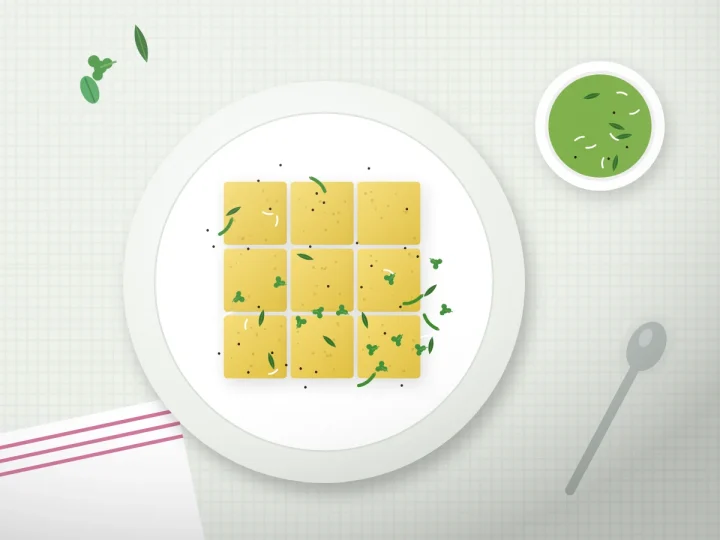
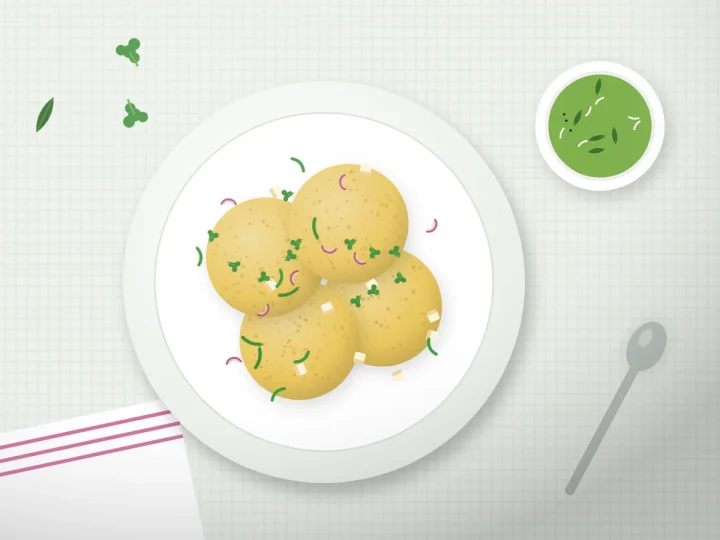
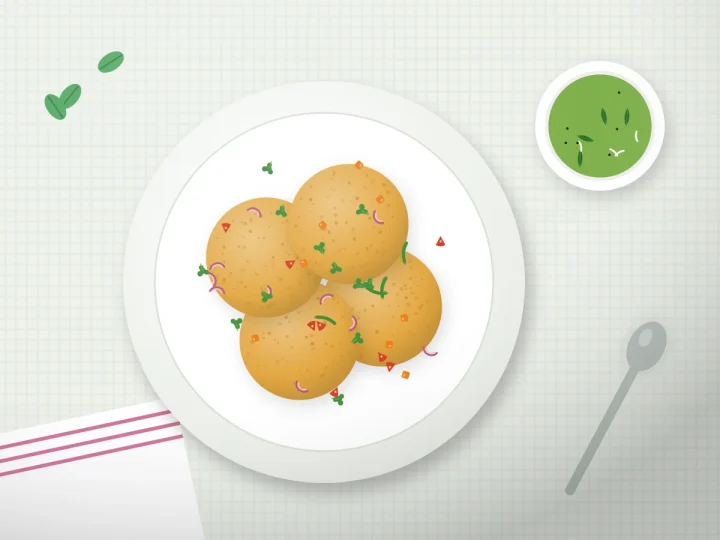
Poha, upma, dhokla, moong dal chilla, besan chilla, masala oats, overnight oats, sabudana khichdi, appe, uttapam and dalia. The healthy breakfast guide puts them in order by time and protein.
Drinks
Smoothies made with whole fruit and curd, and a protein shake with milk, peanuts or whey protein powder.
Soups and salads
A tangy tomato soup, a chunky vegetable soup, and Indian style salads such as kachumber and chana salad.
Mains and dinner
Soya chunks curry and pulao, plus a full list of light weeknight meals in healthy dinner recipes.
Air fryer
Tikkas, tikki, wedges and roasted chana with temperatures and times in air fryer recipes.
Healthy recipes for weight loss: habits that matter
Many people come here searching for weight loss recipes or diet recipes. We cannot promise any result, and no single dish makes you lose weight. What we can do is help you cook food that makes a calorie-aware week easier to stick to. The habits that matter most in Indian home cooking are these:
- Put protein and fibre in each meal, because they keep you full. High protein recipes for weight loss are useful for that reason, not because protein is magic.
- Measure oil and ghee. This is usually the biggest hidden difference between two versions of the same sabzi.
- Fill half the plate with vegetables before rice or roti.
- Keep sweets, fried snacks and sweetened drinks for occasions.
For healthy food recipes to lose weight without feeling deprived, start with moong dal chilla, the paneer wrap above, soya chunks and a bowl of soup before dinner. Chia seed recipes for weight loss are popular too; a spoon of chia soaked in curd or milk with fruit is a fine breakfast, but chia does not do anything special on its own. If you have a medical condition, follow your doctor or dietitian.
Keto diet recipes and low carb recipes, honestly
A strict keto diet removes almost all grains, dals, fruit and many vegetables, which leaves very little of normal Indian food. We do not write keto diet recipes or promise results from them. Some people simply want low carb recipes that cut down on rice and roti for a meal or two. For that, protein-forward dishes work well: paneer bhurji without the roti, soya chunk stir fry, egg bhurji, chicken or fish tikka from the air fryer, and big salads with chana or paneer. Keep the vegetables and curd, keep some dal, and talk to a qualified professional before making a big change to how you eat.
Tasty recipes for kids, sandwiches and chicken
Healthy recipes for kids: children eat more of what they can pick up. Mini uttapam, appe, besan chilla rolls and banana smoothies are good lunchbox and after-school options. Keep spice mild and add grated vegetables to batters.
Healthy sandwich recipes: use whole wheat bread, spread hung curd instead of butter or mayonnaise, and fill with leftover bhurji, chana salad, or grilled paneer with cucumber and tomato. Toast on a tawa with no butter.
Healthy chicken recipes: boneless chicken marinated in curd and spices, then air fried or grilled, is lean and quick. Make sure it is cooked through, with no pink at the centre and clear juices. Serve with salad and a roti for a filling plate.
Questions cooks ask
What are the easiest healthy recipes to start with?
Start with one breakfast and one dinner you can repeat. Moong dal chilla and poha with peanuts and peas are simple mornings, and a dal, sabzi and salad plate covers most dinners. Change one habit at a time, such as measuring oil.
Is Indian food healthy?
Home cooked Indian food can be very balanced: dal, sabzi, curd and roti cover protein, fibre and grain. It becomes heavy when oil, ghee, cream, sugar and fried snacks creep up, or when rice portions grow. Our recipes keep the flavour and measure those parts.
How much oil should I use per person?
For most of our sabzis and breakfasts, 1 to 3 teaspoons per person is enough for a good tadka and proper browning. Cook in a heavy or non-stick pan over medium flame so nothing catches. Keep a teaspoon next to the stove so you measure without thinking.
Which recipes give the most protein?
On this site the paneer wrap, the protein shake, soya chunks and moong dal chilla with paneer give the most; one wrap serving has close to 30 g of protein. Each recipe card shows protein per serving so you can compare.
Are these recipes suitable for a low salt or sodium restricted diet?
You can adapt most of them. Reduce salt, skip black salt and chaat masala, and lean on lemon, roasted jeera, ginger, garlic and fresh herbs for flavour. Packaged sauces, papad and pickles carry a lot of salt, so limit those. Follow the salt limit your doctor gives you.
Can I make healthy paneer recipes with low fat paneer?
Yes. Low fat paneer is firmer and dries out faster, so cook it for less time and add a splash of water or curd. It works well in bhurji, tikka and salads, less well in dishes where paneer is fried.