
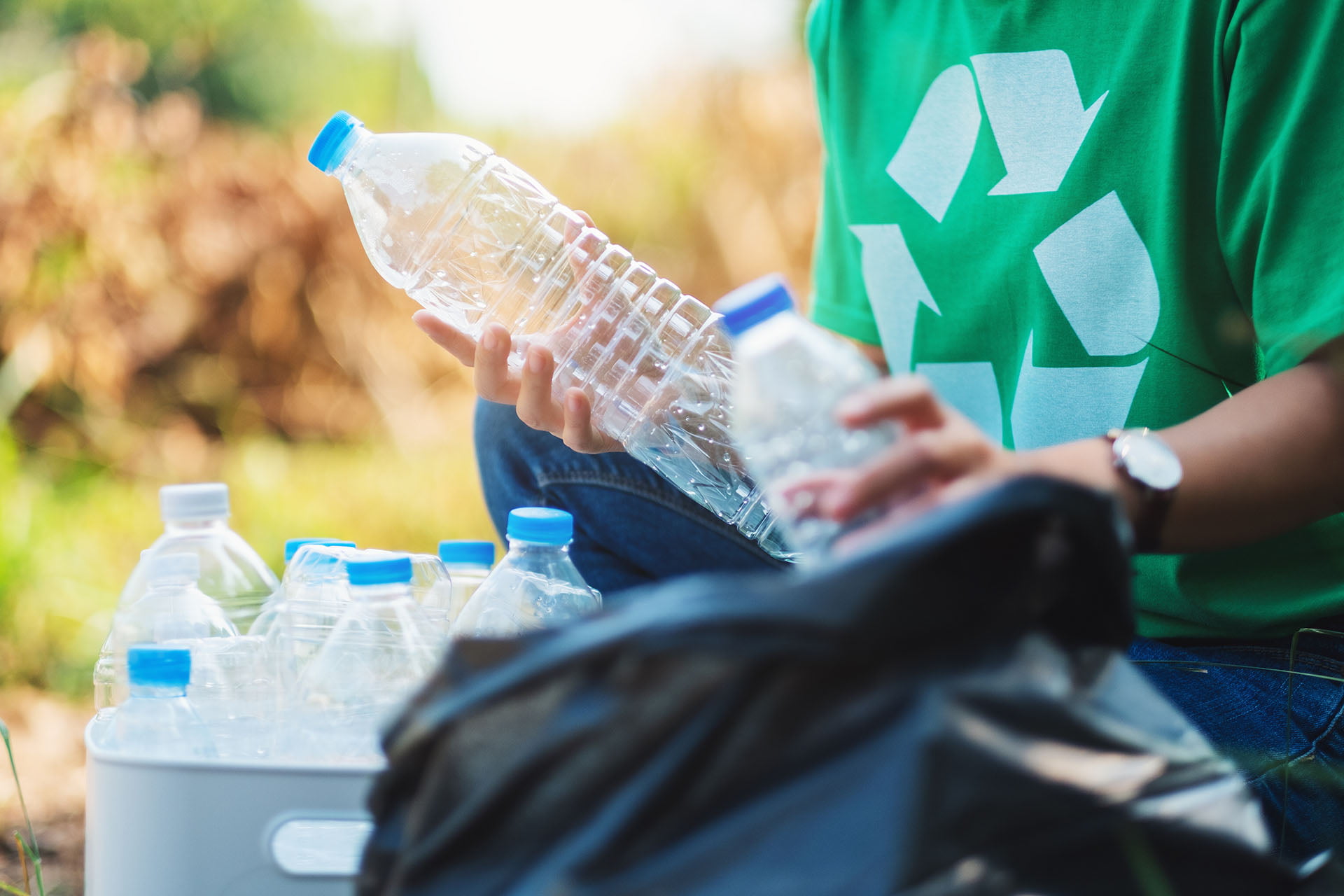
Polyethylene Terephthalate (PET) is one of the most commonly used plastics in the world, particularly in beverage bottles, food containers, and synthetic fibers. With its high recyclability and widespread use, PET plays a central role in global plastic recycling initiatives. As the demand for sustainable packaging increases and environmental regulations tighten, countries around the world are investing heavily in building and upgrading PET Recycling infrastructure. These global developments are reshaping the plastic industry and paving the way for a circular economy.
The Importance of PET Recycling
PET is favored for its strength, lightweight nature, and excellent barrier properties. Its chemical structure allows for easy reprocessing into new products, making it one of the most valuable plastics in the recycling chain. Recycled PET (rPET) can be used in the production of new bottles, textiles, automotive parts, and more, significantly reducing the need for virgin materials.
However, the effective recycling of PET requires robust infrastructure—collection systems, sorting facilities, advanced cleaning technologies, and end-market support. Without these elements working together, much of the collected PET can end up downcycled or wasted altogether.
Advancements in Collection and Sorting Systems
Countries leading in PET recycling are improving their collection mechanisms to ensure higher recovery rates. Deposit return schemes, curbside collection programs, and dedicated recycling bins in public spaces have proven successful in boosting the quality and quantity of PET waste collected.
Automated sorting facilities equipped with near-infrared (NIR) technology and AI-powered systems are now capable of accurately identifying and separating PET from mixed plastic waste. These technological advancements reduce contamination and increase the efficiency of the recycling process, ensuring more PET is recovered and reused effectively.
Investment in Processing and Manufacturing
In response to the growing demand for recycled materials, there has been a global surge in the construction of PET recycling plants. These facilities use both mechanical and chemical recycling methods to convert used PET into high-quality rPET.
Mechanical recycling, the most common method, involves shredding, washing, and melting PET for reuse. Chemical recycling, though more complex, breaks down PET into its base monomers, allowing it to be rebuilt into virgin-quality plastic. Several countries are now investing in both approaches to enhance capacity and meet stringent recycled content targets.
Policy Support and Industry Collaboration
Many governments are implementing policies that encourage PET recycling, such as extended producer responsibility (EPR) regulations, landfill bans, and minimum recycled content mandates. These regulations are pushing manufacturers to redesign packaging for recyclability and incorporate more rPET in their products.
Additionally, partnerships between public and private sectors are fostering innovation and scaling up recycling efforts. Global brands are committing to using more rPET and funding recycling infrastructure in emerging markets to ensure a consistent supply of high-quality recycled material.
Conclusion
The global landscape of PET recycling is evolving rapidly, driven by environmental concerns, economic incentives, and technological advancements. Improved collection systems, state-of-the-art processing facilities, and supportive policy frameworks are laying the foundation for a more sustainable future. As more countries recognize the value of PET as a recyclable resource, continued investment and collaboration will be essential in achieving a closed-loop system that benefits both the planet and the economy.
