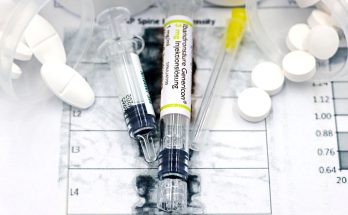
rare neuromuscular disease treatment has achieved a significant milestone with the first-in-class approval of a new drug by Scholar Rock. This development promises to bring relief to patients suffering from this debilitating condition.
What is Scholar Rock’s New Drug?
Scholar Rock has recently made headlines with the approval of its new drug, which is considered a first-in-class treatment for a rare neuromuscular disease. This novel therapy targets the underlying mechanisms of the disease, offering hope to patients who have long awaited effective options.
The drug operates by selectively inhibiting a key protein involved in muscle degeneration, which is critical for those affected by this debilitating condition. The mechanism of action is designed to restore muscle function and improve overall quality of life for patients.
In clinical trials, Scholar Rock’s new drug demonstrated significant efficacy, showing marked improvements in muscle strength and function compared to existing treatments. Patients reported not only physical benefits but also enhancements in their daily activities, allowing them to engage more fully in their lives.
Moreover, the approval of this drug marks a significant milestone in the treatment landscape for rare neuromuscular diseases. Previously, options were limited, leaving many patients without adequate therapeutic avenues. The introduction of this first-in-class drug is expected to pave the way for future research and development of similar therapies.
As the medical community anticipates further studies, there is a growing optimism that this treatment will not only provide immediate relief but also lead to advancements in understanding and managing rare neuromuscular diseases more effectively.
Impact on Patients with Neuromuscular Diseases
The recent approval of Scholar Rock’s first-in-class drug is poised to transform the landscape for patients suffering from rare neuromuscular diseases. This groundbreaking treatment offers hope to individuals who have long faced limited options and uncertain futures due to their conditions.
For many patients, the impact of a rare neuromuscular disease extends beyond physical symptoms; it can lead to emotional and psychological challenges as well. With the introduction of this innovative therapy, patients may experience significant improvements in their overall quality of life. Key benefits of the treatment include:
- Enhanced Mobility: Patients may regain strength and improve muscle function, allowing for greater independence.
- Reduced Symptoms: The drug has shown promise in alleviating debilitating symptoms associated with these diseases.
- Hope for the Future: The approval of this therapy signals progress in the field, potentially paving the way for further research and development of treatments for other neuromuscular disorders.
As healthcare providers begin to incorporate this rare neuromuscular disease treatment into their practices, there is a renewed sense of optimism amongst patients and families. The journey toward better management of rare neuromuscular diseases is just beginning, and with it comes the promise of improved outcomes and a brighter future.
Understanding Rare Neuromuscular Disorders
Rare neuromuscular disorders encompass a diverse group of conditions that affect the nerve and muscle function. These disorders can lead to significant disability, impacting the quality of life for those affected. Understanding the complexities of these diseases is crucial for developing effective treatments.
Neuromuscular diseases are often characterized by:
- Weakness in muscles
- Loss of motor control
- Fatigue and muscle wasting
These conditions can arise from genetic mutations, autoimmune responses, or other underlying health issues. As a result, patients with rare neuromuscular disorders may experience a wide range of symptoms and varying degrees of severity. Early diagnosis and intervention are essential to managing these diseases effectively.
Recent advancements in research have led to promising developments in treatment options. Notably, the approval of Scholar Rock’s first-in-class drug represents a significant milestone in the search for effective therapies targeting rare neuromuscular diseases. This innovative treatment aims to address the underlying molecular mechanisms of these disorders, offering hope to patients and their families.
As the medical community continues to explore new avenues for rare neuromuscular disease treatment, collaboration among researchers, healthcare providers, and patient advocacy groups will be vital in improving outcomes and enhancing the quality of life for those affected.
The Approval Process for New Drugs
The approval of new drugs, particularly for rare neuromuscular disease treatment, involves a comprehensive and rigorous process designed to ensure safety and efficacy. The journey begins with preclinical research, where scientists conduct laboratory experiments and animal studies to evaluate the drug’s potential. If successful, the drug developers submit an Investigational New Drug (IND) application to the regulatory authorities.
Once the IND is approved, clinical trials commence in three phases. In Phase 1, the drug is tested on a small group of healthy volunteers to assess safety and dosage. Phase 2 expands the study to a larger group of patients, focusing on efficacy and side effects. Finally, Phase 3 trials involve hundreds or thousands of participants to confirm effectiveness, monitor side effects, and compare the new drug to standard treatments.
After completing the trials, the company submits a New Drug Application (NDA) to regulatory agencies such as the FDA. This application includes all data from clinical trials, proposed labeling, and information on manufacturing processes. The approval process can take months or even years, but once a drug receives the green light, it can provide hope to patients suffering from rare neuromuscular diseases.
- Preclinical research
- Phase 1: Safety and dosage
- Phase 2: Efficacy and side effects
- Phase 3: Confirmation of effectiveness
- New Drug Application submission
Future of Neuromuscular Disease Treatments
The future of neuromuscular disease treatments looks promising, particularly with the recent advancements in first-in-class drugs like those developed by Scholar Rock. As research continues to evolve, there is a growing focus on personalized medicine, which aims to tailor treatments based on the specific genetic makeup of each patient. This approach not only enhances efficacy but also minimizes potential side effects, creating a more effective treatment landscape for rare neuromuscular diseases.
Experts believe that ongoing clinical trials will pave the way for new therapeutic options that could significantly improve quality of life for patients. New technologies, including gene therapy and advanced biologics, are being explored to address the underlying causes of these disorders rather than merely managing symptoms.
Moreover, collaboration between pharmaceutical companies and research institutions is becoming increasingly vital. By sharing data and leveraging innovative treatment modalities, the scientific community can accelerate the development of rare neuromuscular disease treatments.
As we move forward, the integration of artificial intelligence in drug discovery and development processes may also play a critical role. AI has the potential to streamline research, identify promising drug candidates more efficiently, and optimize clinical trial designs.
In summary, the future of treatments for rare neuromuscular diseases is rapidly evolving, driven by innovation and collaboration, offering hope for millions affected by these challenging conditions.
Expert Opinions on the New Approval
Experts in the field have expressed cautious optimism regarding the recent approval of the first-in-class drug from Scholar Rock for the treatment of a rare neuromuscular disease. Dr. Emily Hart, a leading neurologist, emphasized the significance of this breakthrough. She stated, “This drug represents a monumental step forward in the management of rare neuromuscular disorders, providing hope for patients who previously had limited options.”
Another prominent researcher, Dr. Samuel Reed, highlighted the unique mechanism of action of the new treatment. “By specifically targeting the underlying pathology of the disease, this drug could potentially alter the disease course rather than merely managing symptoms,” he explained. This shift in focus could pave the way for more effective treatments in the future.
Patient advocacy groups have also weighed in, with representatives noting that the approval of this drug could lead to enhanced quality of life for many individuals affected by these debilitating conditions. “Our community has long awaited innovative therapies that address the root causes of rare neuromuscular diseases,” said Laura Chen, a spokesperson for a national advocacy organization. “This approval is a beacon of hope.”
As the medical community begins to integrate this new treatment into clinical practice, ongoing research will be essential. Experts agree that continued studies will be crucial in understanding the long-term effects and potential applications of this first-in-class drug in the broader landscape of rare neuromuscular disease treatment.
The recent approval of this first-in-class drug marks a significant milestone in rare neuromuscular disease treatment. Researchers are hopeful that this breakthrough will pave the way for more innovative therapies in the field of rare neuromuscular disease treatment.
Photo by Funkcinės Terapijos Centras on Pexels