
How can upgrading to aluminum wheels enhance a truck’s overall performance?
Modern trucks demand components that optimize both efficiency and durability. One of the most impactful upgrades is installing 24.5″ aluminum wheels. These wheels combine a lightweight design with remarkable strength, allowing trucks to achieve better fuel economy, improved handling, and greater stability. The reduced weight of aluminum compared to steel decreases rotational mass, enabling smoother acceleration and more responsive braking. Beyond performance metrics, aluminum wheels also elevate a truck’s visual appeal, projecting professionalism and reliability for fleet operators and individual owners alike.
Why are aluminum wheels preferred over traditional steel wheels for heavy-duty trucks?
Aluminum wheels offer a superior balance between weight, strength, and corrosion resistance. While steel wheels are heavy and susceptible to rust, aluminum alloys provide long-term durability without adding unnecessary mass. The lighter construction reduces strain on the suspension and braking systems, enhancing both fuel efficiency and vehicle handling. Additionally, aluminum’s natural resistance to environmental factors like road salt and moisture ensures longevity, which is particularly valuable for trucks operating under diverse conditions or across long distances.
How do aluminum wheels affect fuel efficiency?
The weight of a wheel directly impacts fuel consumption. Lighter wheels reduce the energy needed to rotate and maintain momentum, leading to measurable fuel savings over time. Trucks equipped with 24.5″ aluminum wheels benefit from improved rolling efficiency, particularly during city driving with frequent stops or highway cruising over long hauls. Fleet operators often observe reduced fuel costs and enhanced operational efficiency, making aluminum wheels an economically advantageous investment.
Do aluminum wheels improve handling and stability for trucks?
Yes, significantly. Reduced unsprung mass allows the suspension system to function more effectively, keeping tires in consistent contact with the road. This enhances steering precision, cornering stability, and braking response. For trucks navigating challenging terrain or loaded conditions, the combination of light weight and structural rigidity ensures predictable and controlled handling. Drivers experience more confidence behind the wheel, whether maneuvering through urban streets or tackling long-haul routes.
Are aluminum wheels durable enough for heavy loads and commercial use?
Absolutely. Modern 24.5″ aluminum wheels are engineered using high-strength alloys designed to withstand substantial loads without bending or cracking. Their durability makes them suitable for a wide range of heavy-duty applications, from freight trucks to construction vehicles. In addition, aluminum’s corrosion resistance prevents structural weakening over time, ensuring that trucks maintain both safety and performance across years of demanding operation.
How do aluminum wheels affect braking performance?
Lighter wheels decrease rotational inertia, which allows brakes to engage more efficiently. Aluminum’s excellent heat-dissipating properties also prevent brake overheating during prolonged or heavy use, maintaining consistent stopping power. Improved braking performance increases overall safety, especially when trucks are fully loaded or traveling on steep grades. Drivers can rely on predictable braking response, reducing the risk of accidents and enhancing control in emergency situations.
Can aluminum wheels extend the life of tires and other components?
Yes. Aluminum wheels provide a stable, precise mounting surface that minimizes uneven tire wear. This ensures that tires last longer and perform more consistently over time. By reducing excess strain on suspension and brake components, aluminum wheels also contribute to the longevity of other vehicle systems. This combination of durability and performance lowers maintenance costs and reduces the frequency of component replacements, translating to long-term operational savings.
Do aluminum wheels improve ride comfort for truck drivers?
Absolutely. Reduced wheel weight allows the suspension system to absorb road imperfections more effectively, resulting in a smoother ride. Drivers experience less vibration and fatigue during long trips, which is particularly valuable for commercial operators covering extended distances. Enhanced ride comfort not only benefits driver well-being but also improves operational efficiency by reducing fatigue-related incidents.
Are aluminum wheels resistant to harsh weather and road conditions?
Yes, aluminum wheels are highly resistant to corrosion, rust, and environmental damage. Road salt, moisture, and extreme temperatures have minimal impact on these wheels, allowing trucks to maintain both performance and appearance across diverse climates. This reliability ensures that fleets remain operational in all seasons, providing confidence in the vehicle’s structural integrity regardless of road or weather conditions.
How do aluminum wheels contribute to vehicle aesthetics?
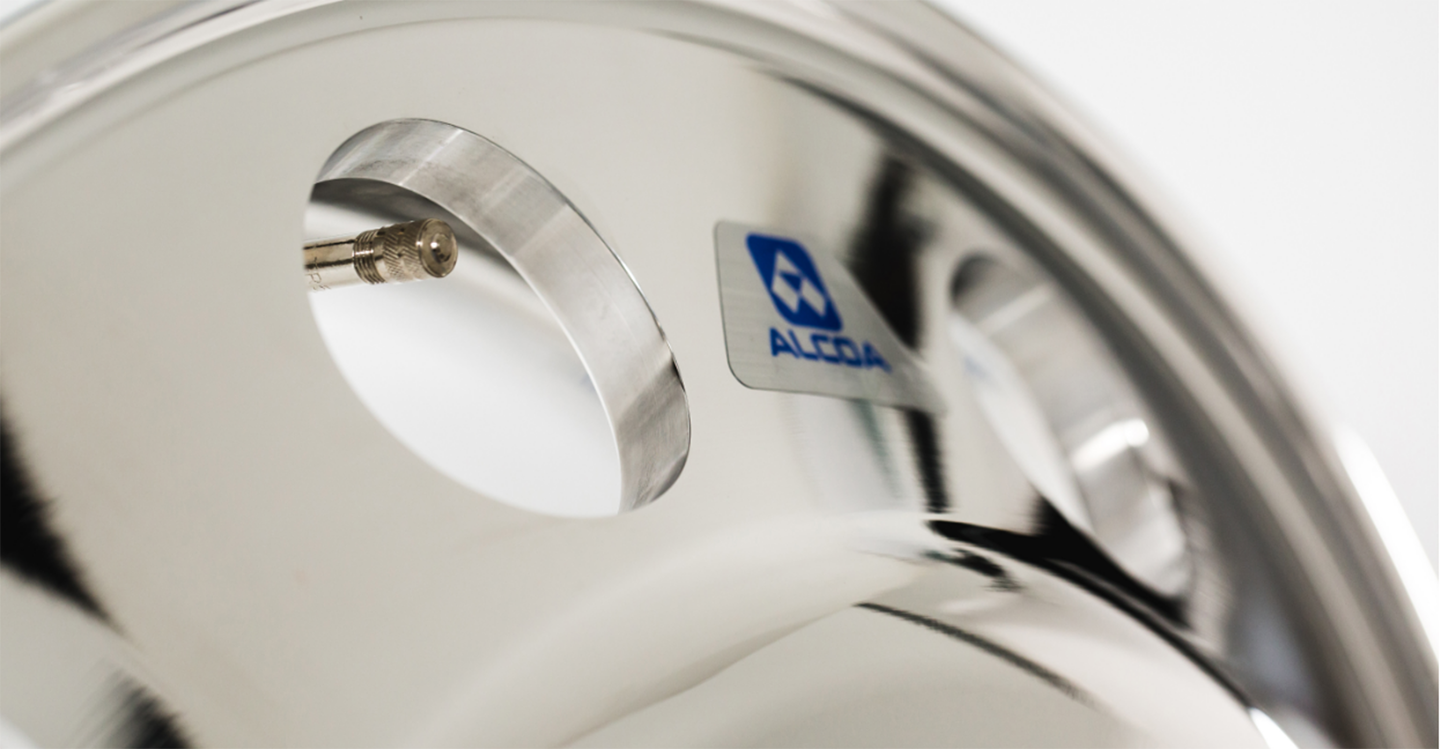
In addition to functional benefits, aluminum wheels elevate the visual appeal of a truck. They are available in polished, painted, and matte finishes, providing an opportunity to enhance a truck’s professional appearance. For commercial fleets, visually appealing wheels reflect well on the company, demonstrating attention to detail and a commitment to quality. A truck that looks well-maintained can positively influence client perceptions and overall brand image.
Do aluminum wheels require more maintenance than traditional wheels?
On the contrary, aluminum wheels are low-maintenance. Their corrosion resistance means there is no need for protective coatings or frequent rust inspections. Routine cleaning to remove road debris and brake dust is typically sufficient to maintain their performance and appearance. This ease of maintenance allows operators to focus on vehicle operation and logistics rather than constant wheel upkeep, contributing to overall efficiency.
How quickly can truck operators notice improvements after switching to aluminum wheels?
The benefits of 24.5″ aluminum wheels are often immediately noticeable. Drivers report smoother handling, more responsive braking, and improved acceleration as soon as the wheels are installed. Over time, additional advantages such as fuel savings, extended tire life, and reduced suspension wear become apparent. These cumulative improvements reinforce the long-term value of investing in high-quality aluminum wheels.
Are aluminum wheels suitable for all types of trucks and commercial applications?
Yes, aluminum wheels are highly versatile and can be tailored to a wide range of truck types, from light-duty delivery vehicles to heavy-duty long-haul trucks. Manufacturers offer various load ratings and specifications to match the performance requirements of each vehicle, ensuring optimal efficiency and reliability. This adaptability makes aluminum wheels a practical choice for diverse transportation and logistics applications.
Do aluminum wheels improve safety for loaded trucks?
Yes, the combination of lightweight design, strength, and precise engineering enhances overall safety. Aluminum wheels provide better handling, more reliable braking, and stable support under heavy loads. Improved contact with the road reduces the risk of skidding or uneven tire wear, ensuring safer operation under all driving conditions. For fleet operators, these safety benefits translate to reduced accident risks and enhanced protection for both drivers and cargo.
Can upgrading to aluminum wheels affect the resale value of a truck?
Yes. Trucks equipped with 24.5″ aluminum wheels often command higher resale value. The wheels signal that the vehicle has been maintained with performance and efficiency in mind. Buyers recognize the durability, fuel savings, and aesthetic appeal associated with aluminum wheels, making the truck a more attractive investment. This combination of functionality and visual appeal can positively influence the vehicle’s marketability.
How do aluminum wheels impact long-term operational costs?
Aluminum wheels contribute to long-term savings in several ways. Reduced fuel consumption, longer tire life, decreased wear on suspension components, and minimal maintenance requirements all add up to lower operating expenses. For commercial fleets, these savings can be substantial, making aluminum wheels a strategic investment that supports profitability and operational efficiency over the life of the vehicle.
Are aluminum wheels environmentally friendly?
Indirectly, yes. Lighter wheels improve fuel efficiency, which reduces greenhouse gas emissions during vehicle operation. Additionally, aluminum is highly recyclable, allowing manufacturers to incorporate recycled material without compromising strength or performance. Trucks equipped with aluminum wheels can therefore operate more sustainably while maintaining peak efficiency and reliability.
Conclusion
Upgrading to 24.5″ aluminum wheels is a transformative step for truck operators seeking to maximize performance, efficiency, and durability. These wheels offer a perfect balance of lightweight design, strength, and corrosion resistance, improving fuel economy, handling, and braking performance. They enhance ride comfort, reduce maintenance costs, extend tire life, and elevate a truck’s visual appeal. For commercial operators, aluminum wheels provide measurable benefits in safety, operational efficiency, and long-term cost savings. By combining durability, performance, and aesthetics, 24.5″ aluminum wheels represent a practical and rewarding investment that allows trucks to operate at their full potential, mile after mile.